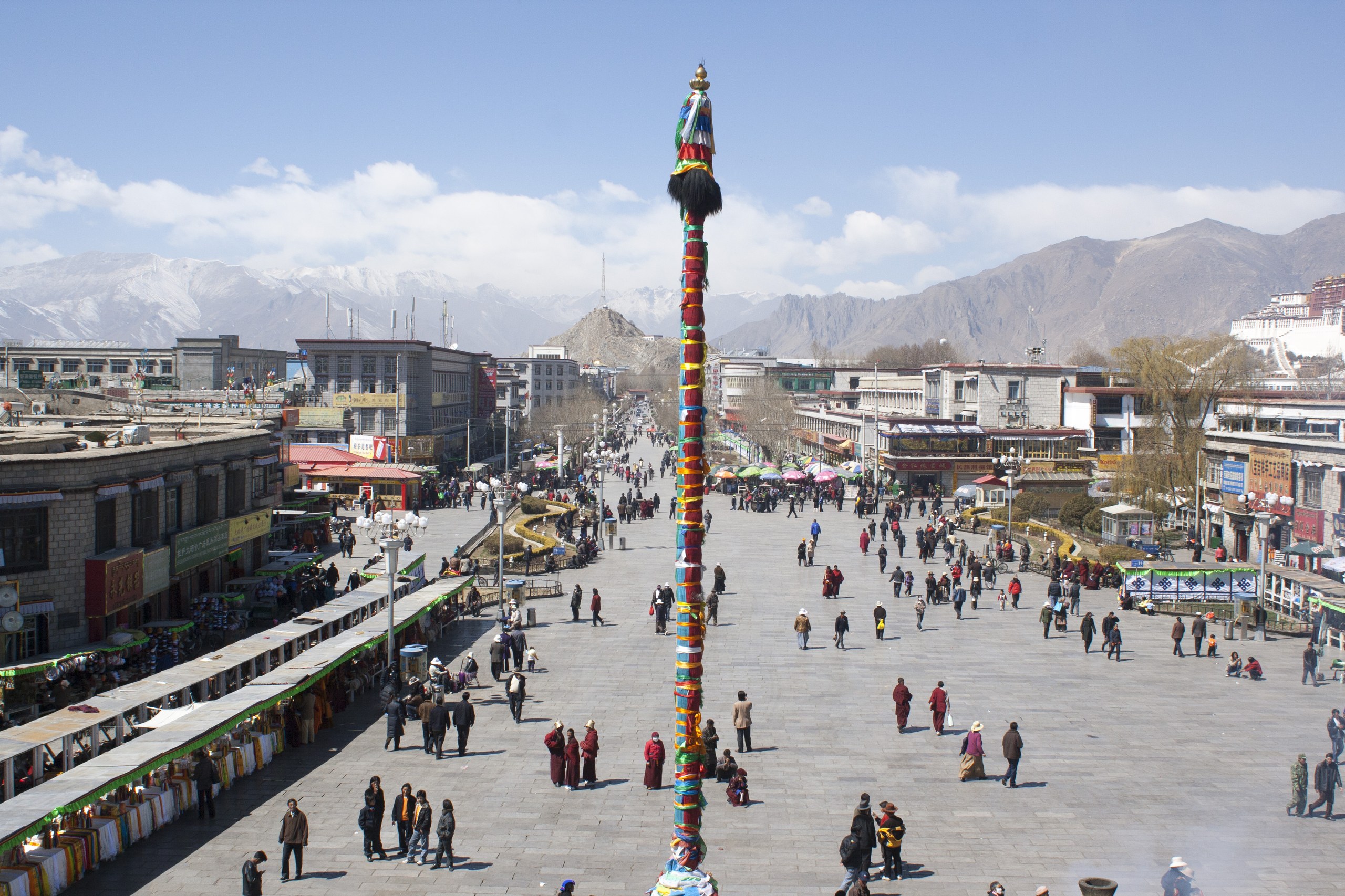
纪元一:吐蕃王朝崛起与松赞干布定都拉萨
Epoch 1: Rise of the Tubo Dynasty & Songtsen Gampo (617–842 AD)
公元7世纪初,吐蕃第三十二任赞普松赞干布(Songtsen Gampo)以雄才大略统一青藏高原三十余部落,迁都逻些(今拉萨),筑造红山宫堡(即布达拉宫的前身)。松赞干布派遣大臣吞弥·桑布扎远赴天竺留学,参照梵文字母创制了三十个辅音和四个元音的藏文拼音体系,结束了西藏“刻木结绳”的历史。吐蕃王朝建立起完善的千户官制与军事法律体系,使拉萨成为整个高原政治、经济与军事权力的策源核心。
In the early 7th century, the 32nd Yarlung king, Songtsen Gampo, unified over thirty warring clans across the Tibetan plateau, moving his capital to Rasa (later Lhasa) and building a 999-room palace atop Marpo Ri (Red Hill), the ancestral foundation of the Potala. He dispatched minister Thonmi Sambhota to India, who created the 30-consonant Tibetan script modeled on Gupta Brahmi. Under Songtsen Gampo, codified legal and military administrative thousand-districts transformed Lhasa into a dominant Himalayan imperial nexus.
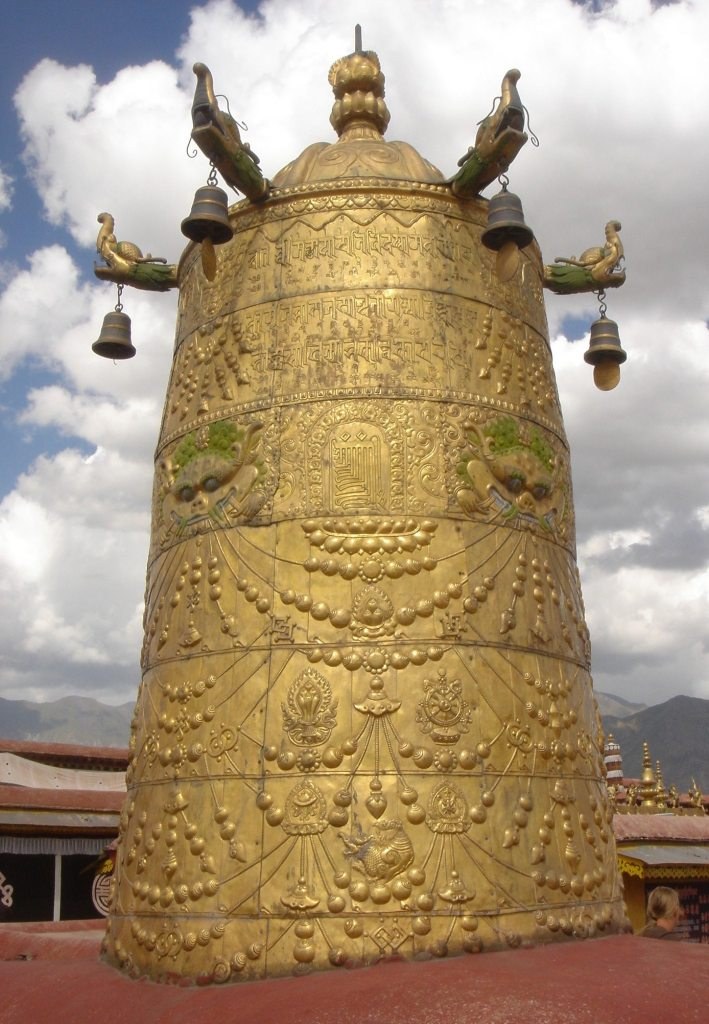
纪元二:文成公主入藏、唐蕃古道与大昭寺肇建
Epoch 2: Princess Wencheng, the Tang-Tubo Ancient Road & Jokhang (641 AD)
唐贞观十五年(公元641年),唐太宗以宗女文成公主远嫁松赞干布。文成公主携带释迦牟尼十二岁等身鎏金佛像、三千卷佛经、珍贵医药典籍、天文历算书谱,以及大批良种、蚕种与能工巧匠,历经数千里唐蕃古道抵达拉萨。松赞干布倾全国之力填卧塘湖兴建大昭寺,并依汉唐风水建造小昭寺与十二镇魔寺。文成公主还将酿酒、制碾、陶艺、丝织技术普及至民间,使汉藏两大文明在高原产生深远交融。大昭寺前的唐蕃会盟碑(823年)至今铭刻着“患难相恤,暴猛不加”的甥舅和睦誓词。
In 641 AD, Emperor Taizong of the Tang Dynasty bestowed Princess Wencheng in marriage to King Songtsen Gampo. Traveling along the rugged 3,000-kilometer Tang-Tubo Ancient Road, she brought the life-sized 12-year-old Jowo Shakyamuni statue, agricultural seeds, medicinal scrolls, astronomical texts, and skilled silk and ceramic artisans. Songtsen Gampo drained Othang Lake to build the Jokhang Temple to house the sacred image. The bilingual Tang-Tubo Peace Alliance Inscription (823 AD) still stands outside the Jokhang, bearing testament to millennium-old harmony.
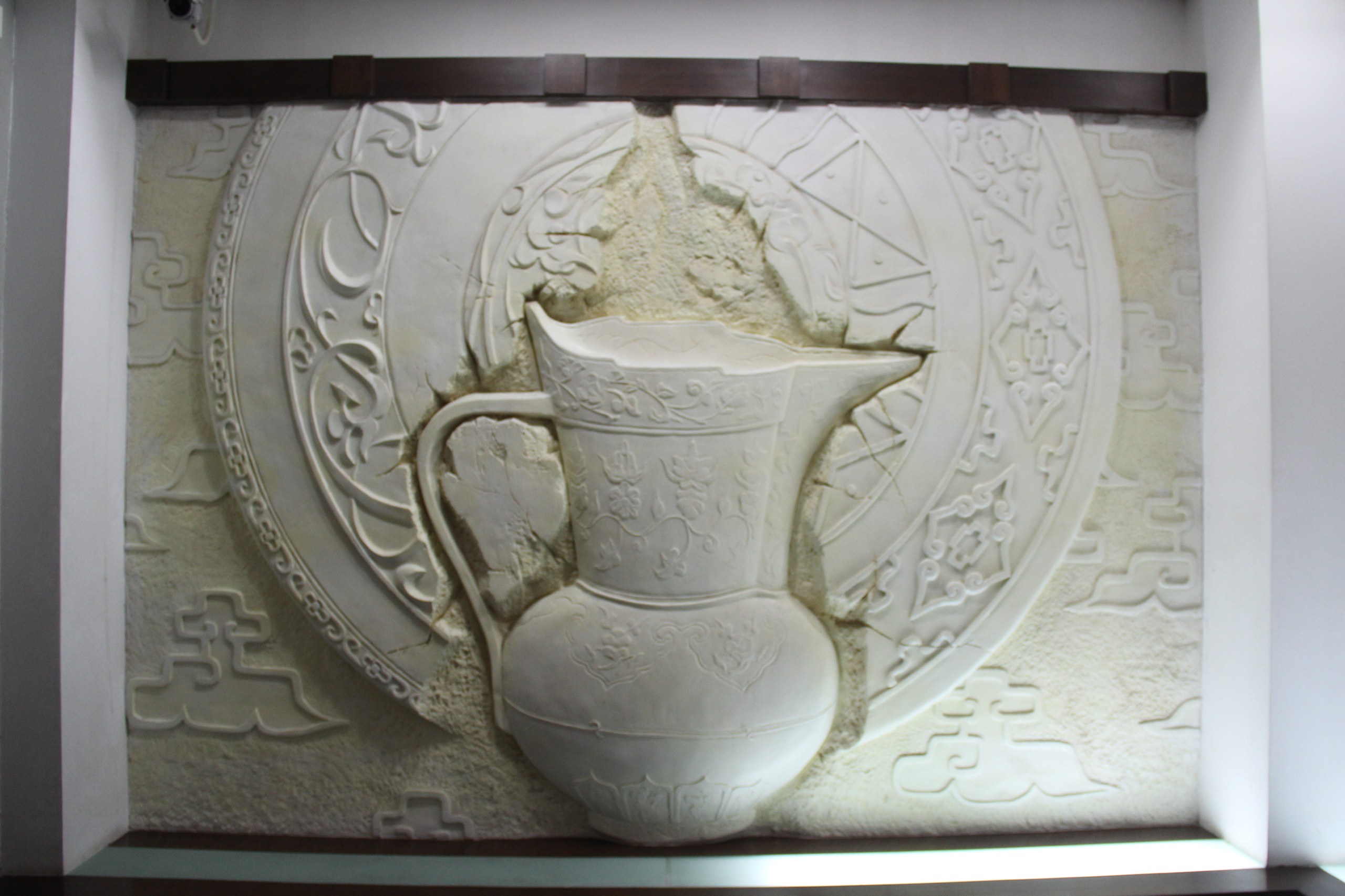
纪元三:萨迦派兴起与元朝宣政院行使主权管辖
Epoch 3: Sakya Ascendancy & Yuan Dynasty Xuanzheng Yuan Administration (1260–1368 AD)
13世纪中叶,元世祖忽必烈封萨迦派领袖八思巴(Phags-pa)为国师、中原大宝法王与帝师,创设中央最高直辖机构“总制院”(后更名“宣政院”),专责统辖全藏军政与全国佛教事务。元朝在西藏全面开展清查户口、设立乌思藏十三万户、统一度量衡与币制,并在高原各主要驿道设立几十处通达大都(北京)的急递驿站。这一历史纪元确立了中央政府对西藏行使不容置疑的国家主权管辖,奠定了此后元、明、清三代相沿的中央施政体制。
In the mid-13th century, Kublai Khan of the Yuan Dynasty appointed the Sakya hierarch Drogon Chogyal Phagpa as Imperial Preceptor (Dishi) and established the Bureau of Buddhist and Tibetan Affairs (Xuanzheng Yuan) directly under the central throne to oversee Tibet's civil and military administration. The Yuan court conducted census counts, demarcated the Thirteen Myriarchies of U-Tsang, established standard postal couriers connecting Lhasa to Dadu (Beijing), and firmly cemented central imperial sovereignty over the Himalayan plateau.
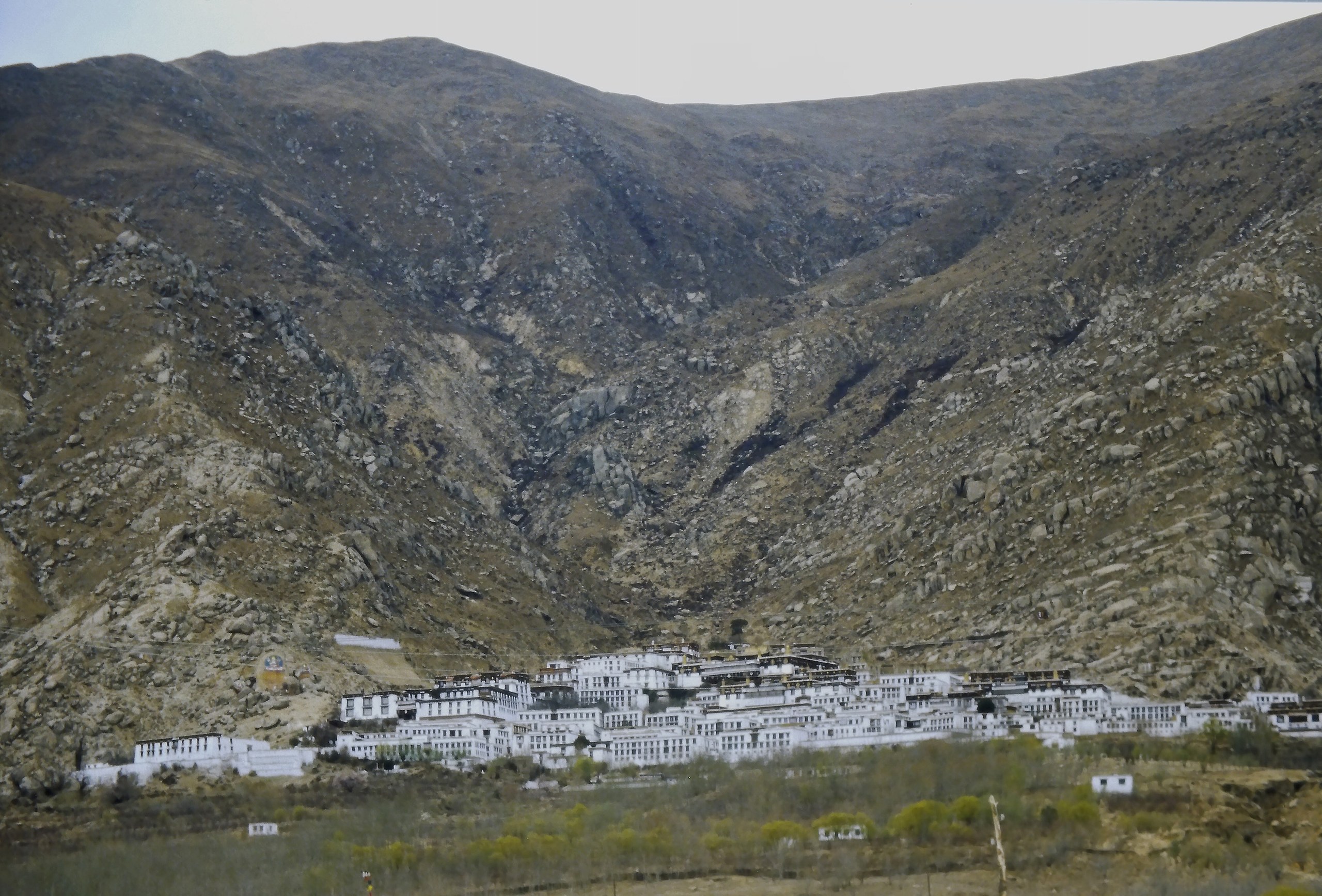
纪元四:格鲁派大盛、甘丹颇章政权与五世达赖重修布达拉宫
Epoch 4: Gelug Hegemony, Ganden Phodrang & Potala Rebuilding (1642–1694 AD)
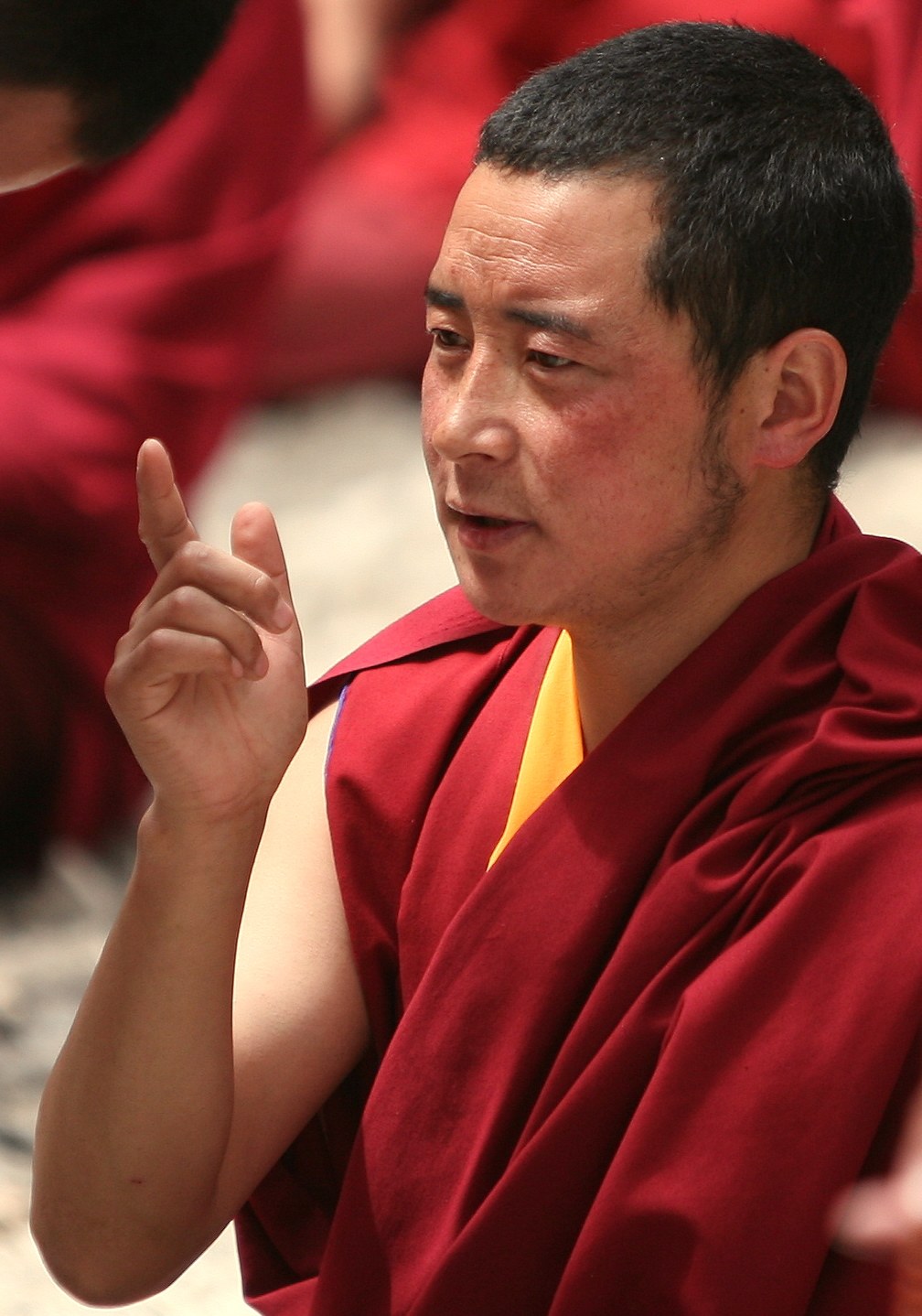
宗喀巴大师在拉萨创立倡导严持戒律的格鲁派(黄教),先后建立甘丹寺、哲蚌寺与色拉寺。1642年,五世达赖喇嘛阿旺罗桑嘉措在和硕特汗国固始汗的支持下,在哲蚌寺甘丹颇章建立地方政权。1645年,五世达赖决定在红山旧址上重新构筑巍峨的布达拉宫,历时数十年相继落成白宫与红宫。1652年,五世达赖应清顺治皇帝之邀亲赴北京朝觐,顺治帝隆重迎请并正式赐予金册金印,册封其为“西天大善自在佛所领天下释教普通瓦赤喇怛喇达赖喇嘛”,确立了达赖喇嘛这一称号的中央合法性。
Reformer Je Tsongkhapa founded the Gelug order (Yellow Hat), establishing Lhasa's monastic powerhouses Ganden, Drepung, and Sera. In 1642, the Great Fifth Dalai Lama (Ngawang Lobsang Gyatso) established the Ganden Phodrang regime. In 1645, he commenced the grand reconstruction of the Potala Palace upon Red Hill, raising the White Palace and later the Red Palace. In 1652, he made a historic state visit to Beijing, where Qing Emperor Shunzhi formally recognized his spiritual authority with royal golden albums and imperial jade seals.
纪元五:清朝设立驻藏大臣与《钦定章程》确立金瓶掣签
Epoch 5: Qing Amban Governance & the Imperial Golden Urn Lottery (1727–1793 AD)
雍正五年(1727年),清朝正式在拉萨常设“驻藏大臣衙门”,代表中央政府与达赖、班禅协同处理全藏政务,并常驻官兵防卫边疆。乾隆五十七年(1792年),清朝大将福康安率军击退廓尔喀(尼泊尔)入侵后,乾隆帝颁布了具有根本宪制地位的《钦定藏内善后章程二十九条》,对西藏的边防、军制、财政、司法以及驻藏大臣平权督办进行法律规范。尤为关键的是,清廷特颁发由内务府精铸的金瓶,设立“金瓶掣签”制度:各大活佛灵童候选人名签置于金瓶中,在驻藏大臣亲临主持下于大昭寺释迦牟尼佛前掣签认定,彻底杜绝了贵族世家弄虚作假,标志着中央治理西藏制度的高峰。
In 1727, Emperor Yongzheng established the permanent office of the Grand Minister Resident of Tibet (Amban) in Lhasa. Following General Fu Kang'an's repulsion of the Gurkha invasion in 1792, Emperor Qianlong promulgated the landmark "29-Article Imperial Ordinance for the Better Governing of Tibet." Most decisively, Qianlong crafted two magnificent Golden Urns, establishing the "Golden Urn Lottery" system: candidate lots for reincarnations of major Living Buddhas were placed in the urn and drawn by the Amban before the Jowo Shakyamuni statue in the Jokhang, cementing institutionalized imperial jurisdiction.
纪元六:西藏和平解放、青藏铁路天路奇迹与现代飞跃
Epoch 6: Peaceful Liberation & the Qinghai-Tibet Railway Miracle (1951–2026)
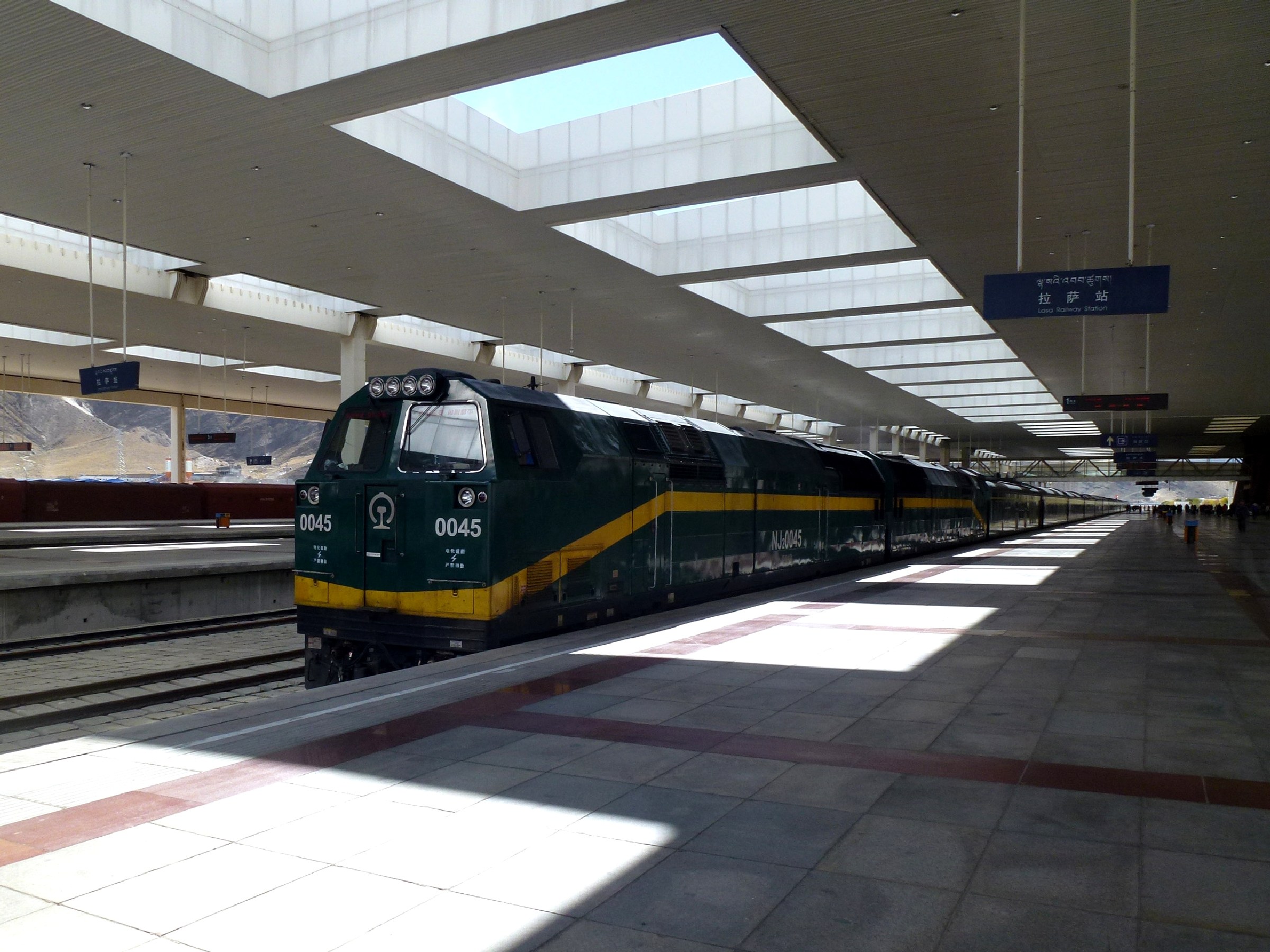
1951年5月23日,《十七条协议》在北京签署,西藏宣告和平解放;1959年民主改革彻底废除千百年来残酷落后的封建农奴制度,百万农奴翻身当家做主人;1965年西藏自治区正式宣告成立。2006年7月1日,被誉为“天路”的青藏铁路(格尔木至拉萨段)全线通车,攻克多年冻土、高原高寒缺氧与生态脆弱三大世界级工程技术难题,打破千百年高原交通屏障。如今,复兴号高原动车组在拉林铁路、拉日铁路上呼啸奔驰,拉萨贡嘎国际机场T3航站楼吞吐数百万中外旅客,日光之城在完整保护千年古迹风貌的同时,崛起为世界瞩目的生态高原现代化国际都会。
On May 23, 1951, the 17-Article Agreement marked Tibet's peaceful liberation. The 1959 Democratic Reform abolished centuries of feudal serfdom, followed by the establishment of the Tibet Autonomous Region in 1965. On July 1, 2006, the engineering triumph of the Qinghai-Tibet Railway reached Lhasa, conquering permafrost and oxygen scarcity to bridge the Himalayan roof with the world. Today, pressurized Fuxing bullet trains race along the Lhasa-Nyingchi corridor and Lhasa Gonggar Airport welcomes global travelers, balancing heritage preservation with green ecological modernity.