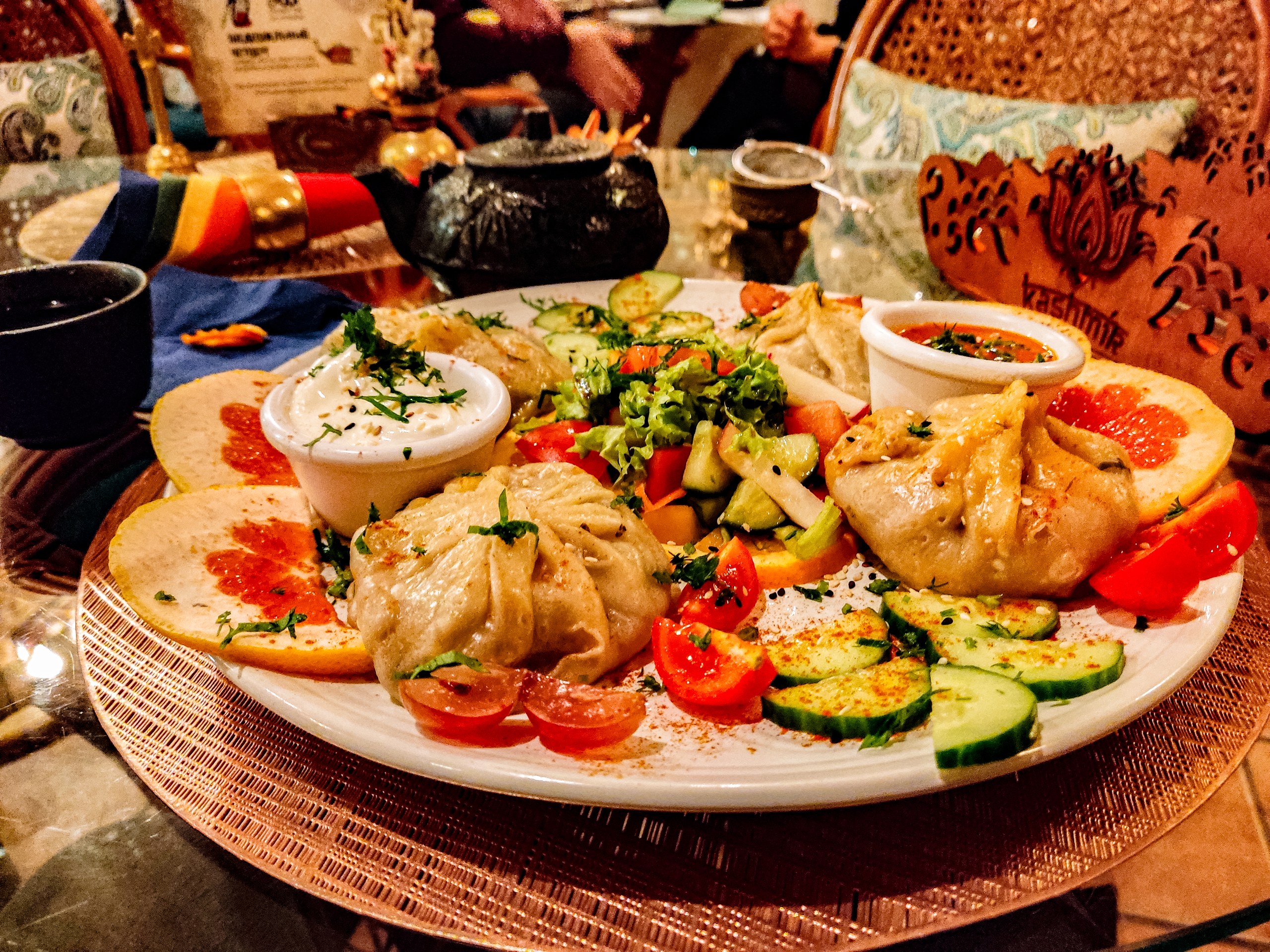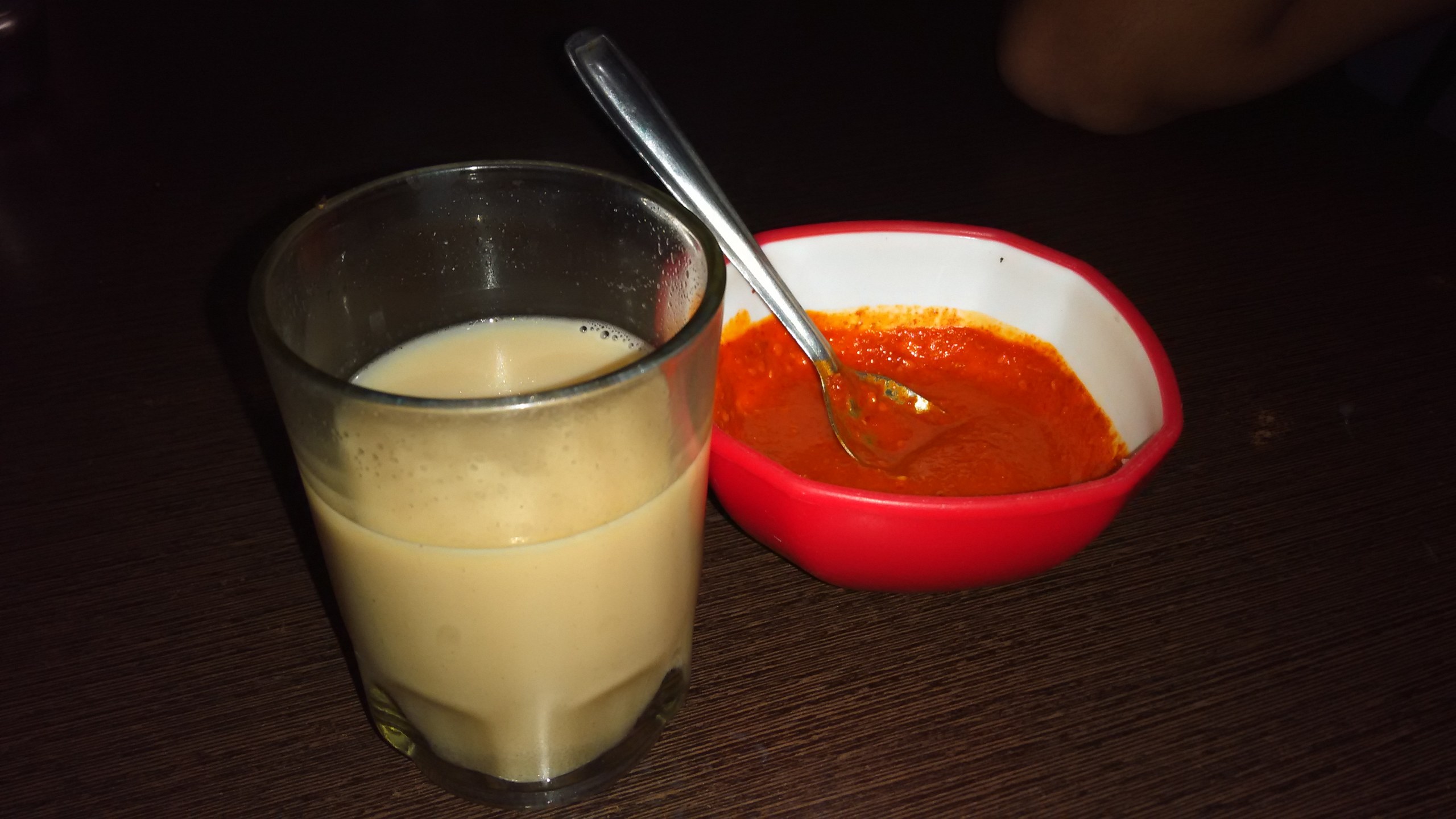
传统藏式甜茶与磅磅壶
日光之城生活之魂

1. 藏式甜茶 (Tibetan Sweet Tea)

1. Tibetan Sweet Tea (Chura)

拉萨市井灵魂的代表。以红茶碎叶、鲜牦牛奶(或高脂奶粉)与白糖在铝壶中反复沸煮拉泡而成。入口丝滑浓郁,奶香醇正而不甜腻。在甜茶馆里,桌上放上一把零钱,提着铝壶的阿佳(大姐)走过便会熟练倒满小玻璃杯并拿走相应零钱,构成了拉萨最具温度的慢生活图景。

The very heartbeat of Lhasa urban living. Made by simmering robust broken black tea with fresh yak milk and sugar. Silky, fragrant, and deeply comforting against highland chills. Patrons leave small bank notes on the wooden tables, and tea ladies top up their glasses throughout the afternoon.
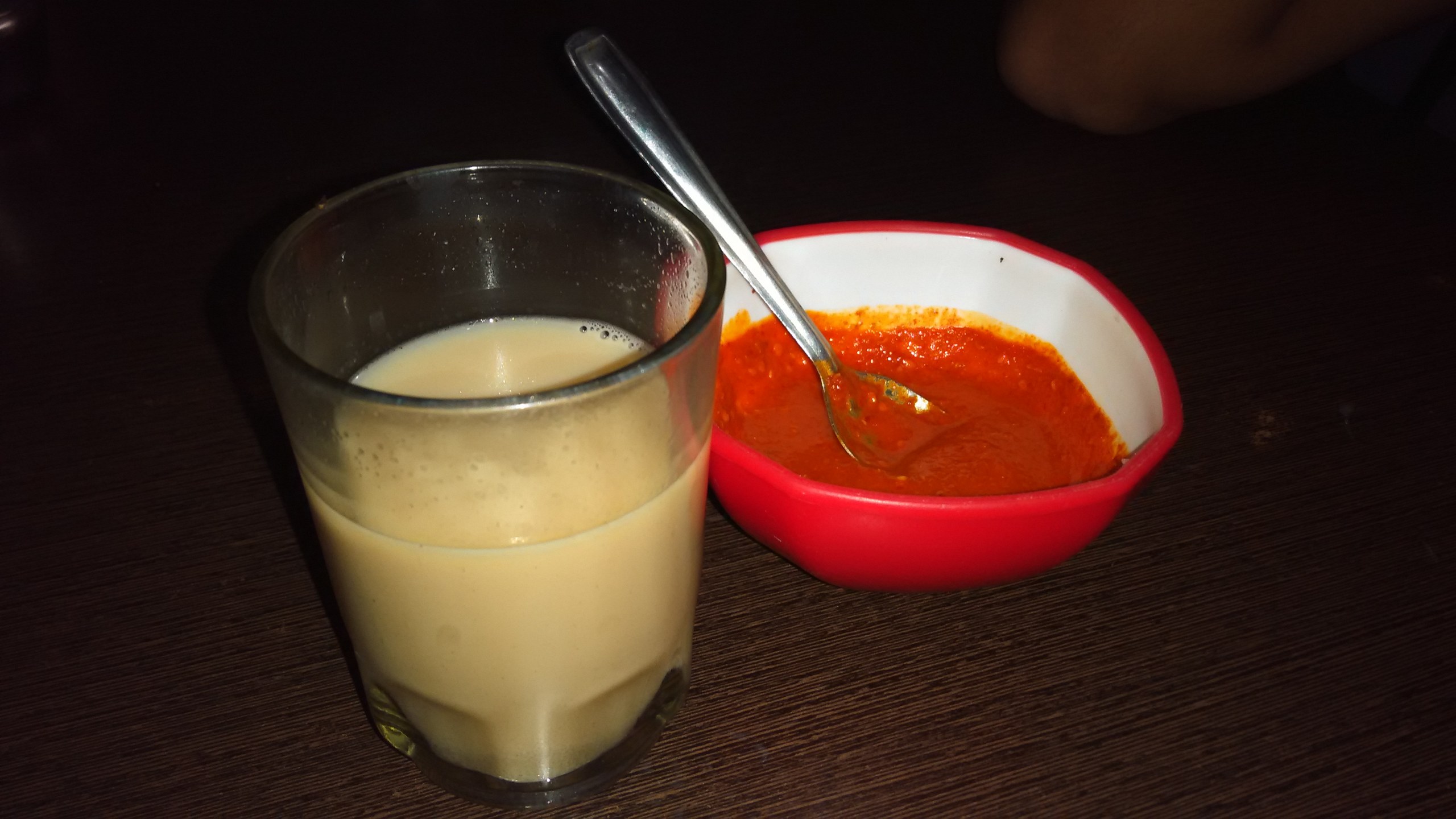
参考价格:约 1-2 元 / 杯,或 10-15 元 / 磅(大保温壶)
地道吃法:配一碗热腾腾的藏面和一小碟油炸土豆,为拉萨市民经典早餐配置
推荐老店:光明港琼甜茶馆、革命甜茶馆、仓姑寺甜茶馆
木质酥油茶桶打制的新鲜酥油茶
高原抗寒能量黄金

2. 酥油茶 (Tibetan Butter Tea)

2. Tibetan Butter Tea (Po Cha)

藏族同胞千年来的日常健康守护神。选用浓熬砖茶水,倒入特制木质“甲栋”(酥油茶桶)中,加入提炼纯正的牦牛酥油与适量食盐,以木棒上下反复舂打至水乳交融。咸香浓醇,具有极其强大的抵御高寒、润燥解乏与缓解高原反应的生理功效。

Po Cha is the traditional elixir of the plateau. Strong brick tea is churned vigorously in a wooden cylinder with fresh yak butter and Himalayan salt until emulsified into a creamy, savory broth. Rich in calories and lipids, it sustains warmth, prevents chapped lips, and mitigates altitude discomfort.

健康益处:补充盐分与能量,迅速润滑呼吸道黏膜,缓解初到高原的口干与疲乏
品饮礼仪:主人斟茶时双手捧杯,不能一饮而尽,常随喝随添方显待客深情
经典搭配:与青稞糌粑同食,为糌粑提供完美的捏合油润水分
木碗盛装的纯天然青稞糌粑粉
雪域主粮之魂 · 非遗技艺

3. 青稞糌粑 (Highland Barley Tsampa)

3. Highland Barley Tsampa

藏民族不可或缺的千年主食。以耐寒抗旱的高原青稞经日晒炒熟后石磨磨成细粉。食用时盛于传统木碗,浇入少许温热酥油茶,佐以奶渣(酪蛋子)与少许细糖,用右手食指与拇指灵巧自边缘向内反复压捏,形成紧致适口的“糌粑团”,谷香四溢。

Tsampa is the dietary staple of Tibet. Whole grains of highland barley are parched and ground into fine aromatic flour. Served in wooden bowls with warm butter tea and dry yak cheese curds, it is kneaded with skilled fingertip rotations into hearty dumplings ready to eat instantly without cooking.

原料特色:海拔3000米以上纯净日照青稞,富含β-葡聚糖与膳食纤维
抓捏技巧:茶水切勿过多,顺着碗壁顺时针自下而上反复翻拌捏聚成团
行旅便携:转湖转山朝圣途中最坚实充饥的轻便口粮
大块白煮带骨手抓牦牛肉配辣椒粉
高原天然纯净野味

4. 手抓牦牛肉 (Tibetan Yak Meat)

4. Tibetan Yak Meat

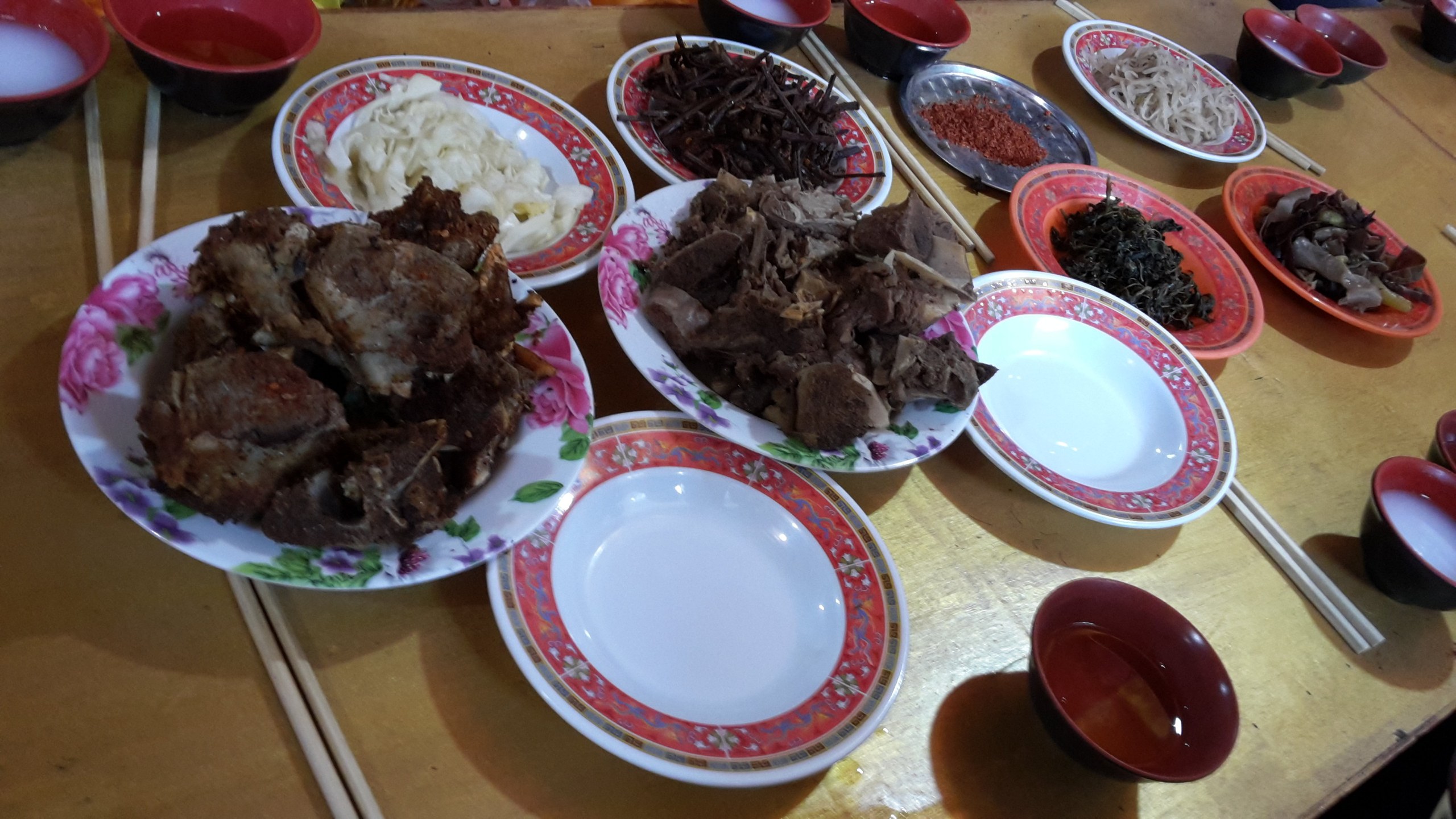
生长于海拔 4,000 米以上高寒纯净天然草场的优质牦牛,常年饮冰川融水、食珍稀冬虫夏草等高山草本,肉质极其紧致高蛋白、极低脂肪。传统手抓做法崇尚天然本味:白水加大块带骨慢炖两小时,出锅手撕切块,蘸配藏式干辣椒盐或野韭菜花酱,越嚼越香。

Grazing on alpine herbs and glacial springs above 4,000m, Tibetan yak produces lean, nutrient-dense beef with no gamy odor. Traditionally simmered bone-in with minimal salt, then carved by hand at the table and dipped into roasted crushed chili powder or wild chive sauce.

风味特色:纤维细腻有韧劲,富含铁元素与优质肌红蛋白
风干肉传奇:冬季将生牦牛肉条悬挂于阴凉透风房梁自然风干,酥脆甘醇
推荐赏味:八廓街传统藏餐馆(吉祥圣雪、阿可丁藏餐厅)
醇厚大骨清汤藏面配牦牛肉丁
拉萨晨光第一缕热气

5. 藏面与骨汤 (Tibetan Noodles in Bone Broth)

5. Tibetan Noodles in Bone Broth (Thukpa)

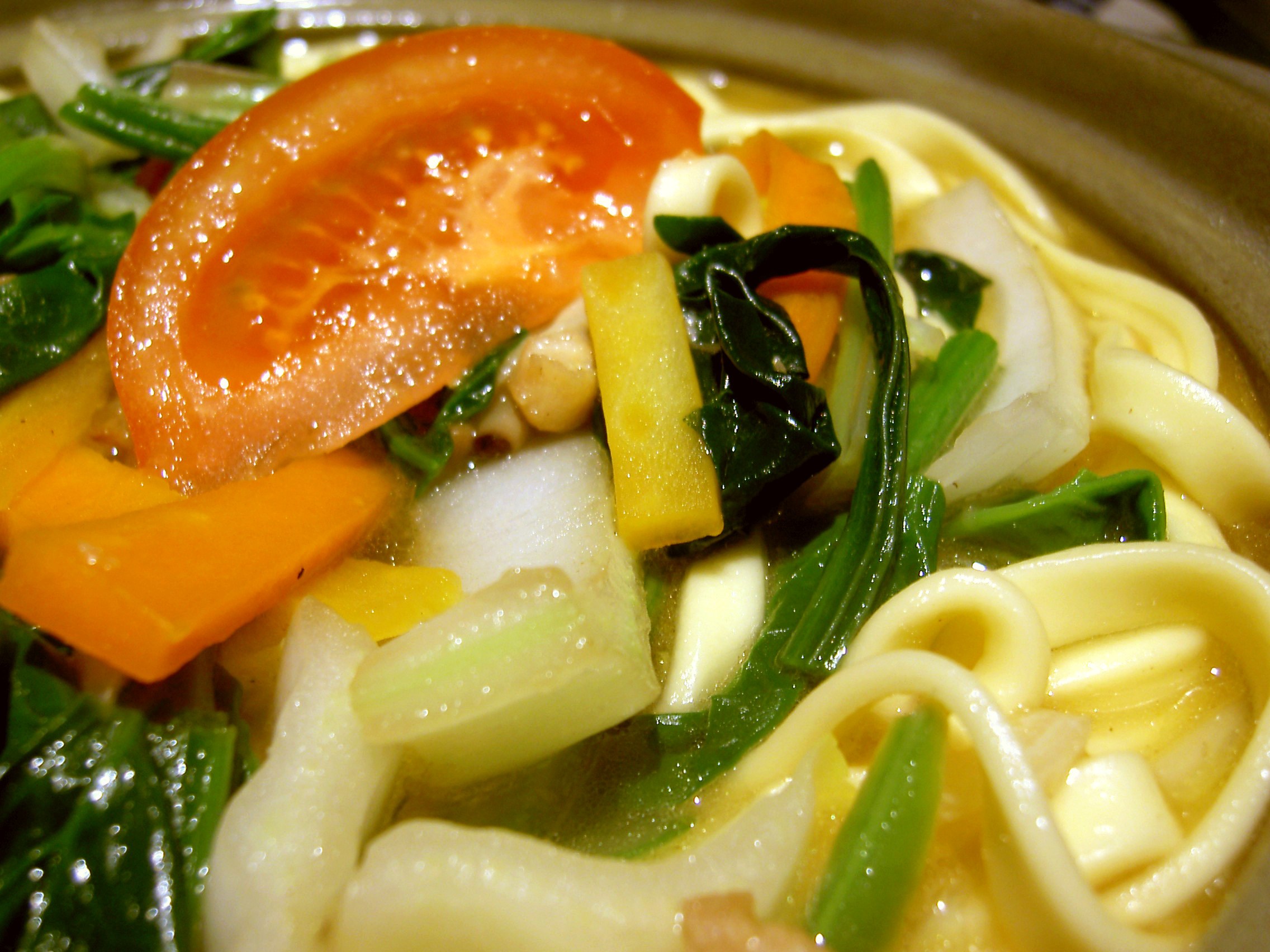
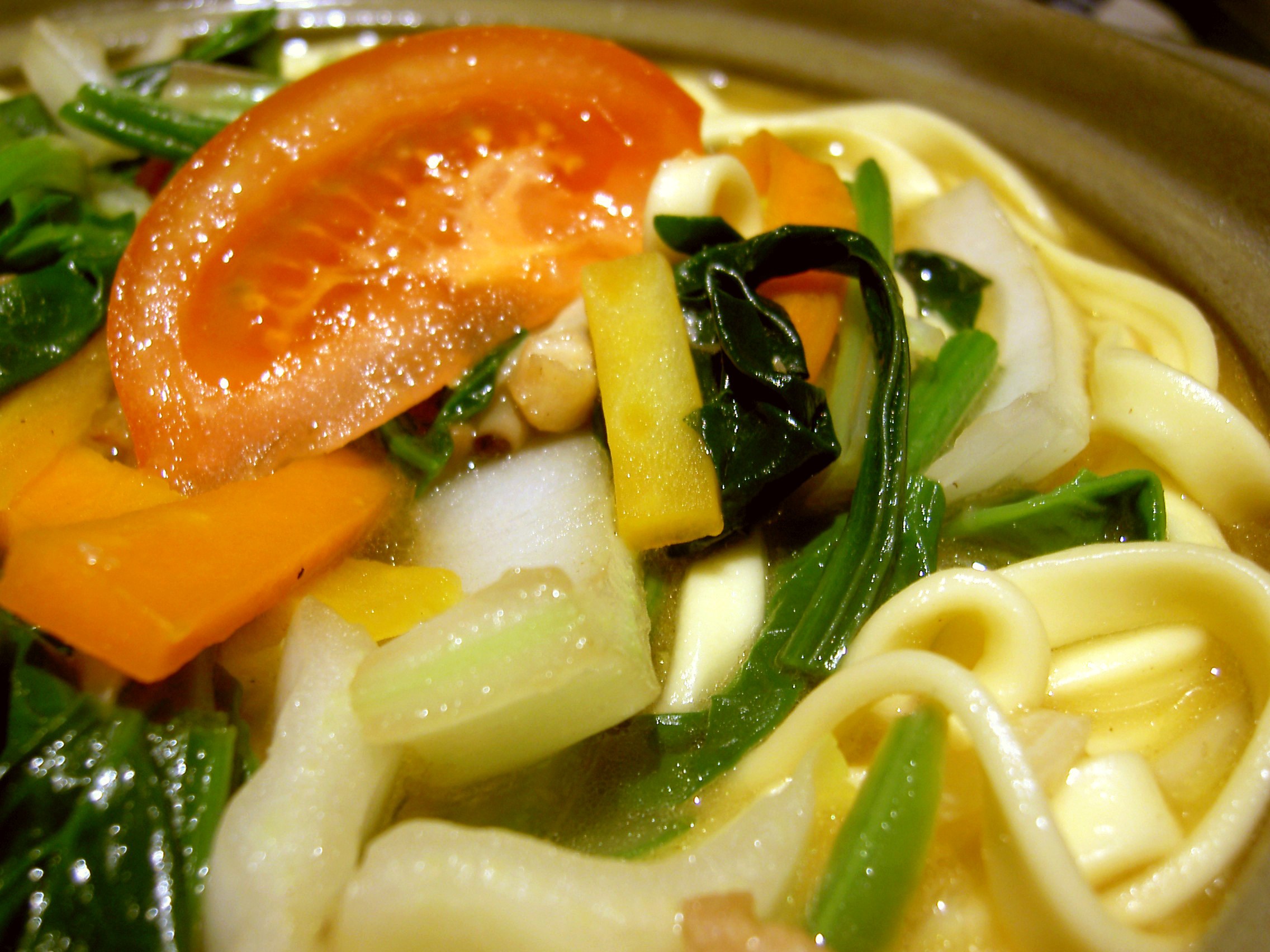
拉萨街头最普及的市井早餐面食。面条加入碱水反复擀压切条,下锅煮熟后稍呈淡黄色,口感独特偏硬且带有些微夹生韧劲(正宗传统藏面特色)。盛入碗后浇上以大量牛大骨长时间慢煨熬出的浓郁清澈鲜汤,撒上牦牛肉粒与香葱,热气腾腾暖胃驱寒。

The ubiquitous breakfast comfort of Lhasa. The yellow alkalized wheat noodles possess an intentional al-dente, slightly firm chew. Bathed in a piping hot, crystal-clear broth slow-simmered from marrow-rich yak bones and garnished with minced yak meat and scallions.

参考价格:约 5-8 元 / 碗(极具性价比的国民美食)
秘制佐料:每张茶馆桌上均配有特制藏式油泼辣子与藏葱酱,提鲜增香
最佳时段:清晨07:30 - 10:00,与老拉萨市民一同共赴晨光早茶
金黄香脆甜茶馆油炸土豆配特色辣酱
高原阳光滋养的地道小食

6. 甜茶馆炸土豆 (Sweet Teahouse Fried Potatoes)

6. Sweet Teahouse Fried Potatoes

西藏高原日照充足、昼夜温差大,所出产的高原土豆淀粉含量极高,口感格外软糯甜绵。甜茶馆将厚实土豆条或块入宽油炸至外金黄微脆、内沙绵软糯,出锅趁热裹上特制湿红辣酱或干辣椒孜然面。它是每一位进甜茶馆老饕必点的解馋搭档。

Nourished by 3,000 hours of UV sunlight, high-altitude Tibetan potatoes develop dense starch and natural sweetness. Cut into thick batons, deep-fried until golden with a fluffy mash-like interior, and tossed in house-made spicy chili paste. The quintessential teahouse companion snack.

参考价格:约 6-10 元 / 份
风味亮点:外脆内糯,藏式湿辣椒酱独特的蒜香、生盐与微酸交融
绝妙组合:一口咸香辣土豆,一口醇甜藏式热甜茶,解辣又回甘
藏历新年吉庆白米拌人参果与融化酥油
藏历新年与吉庆盛宴甜点

7. 人参果饭 (Droma Ginseng Fruit Rice)

7. Droma Ginseng Fruit Rice

藏语称为“卓玛折丝”,是藏族传统盛大节日(如藏历新年洛萨)与贵客迎门必上的祥瑞吉庆甜食。采用生长于海拔4000米以上高山草甸的人参果(蕨麻),煮熟后与优质白米饭拌匀,浇上融化成金黄色的温热酥油,撒上一层晶莹白糖。口感甜糯芬芳,滋补脾胃。

Known in Tibetan as "Droma Dresil," this auspicious sweet rice is indispensable at Tibetan New Year (Losar) banquets and weddings. Prepared with wild silverweed potentilla tubers (droma) harvested from alpine meadows, steamed with white rice, and drizzled with melted golden yak butter and sugar.

文化寓意:象征生活甜蜜圆满、五谷丰登与福寿绵长
本草价值:蕨麻富含多糖、氨基酸与矿物质,藏医典籍记载健胃益气之效
品尝建议:多在高端传统藏宴上作为甜点奉上,温热时食用最佳
蒸笼热气腾腾的多汁藏式牦牛肉包子 Momo
喜马拉雅全域非遗主食

8. 藏包子 (Tibetan Momo Dumplings)

8. Tibetan Momo Dumplings

风靡喜马拉雅南北麓的经典传统面点。以死面包入新鲜剁细的纯牦牛肉馅,加入洋葱末、姜汁、生盐与少量骨汤搅拌锁汁。可蒸(Momo)亦可生煎(Kothey),咬开面皮瞬间鲜美滚烫的肉汁涌出,肉香纯厚无油腻感,蘸以特制青红椒蒜醋汁,回味无穷。

The beloved Himalayan dumpling cherished across Tibet and neighboring mountain kingdoms. Hand-pinched unleavened dough envelopes coarsely minced fresh yak meat infused with onions, ginger, and savory bone broth. Steamed (Momo) or pan-fried (Kothey) to seal in rich, boiling broth.

参考价格:约 15-25 元 / 笼(通常为8-10个)
食用提醒:第一口须轻咬小口吸吮汤汁,谨防滚烫牛油肉汁飞溅
素食选择:藏餐馆普遍提供土豆泥蔬菜馅(Potato Momo)以满足素食旅行者

深度漫游:拉萨甜茶馆里的慢生活哲学与社交密码

Deep Dive: Teahouse Living & Social Etiquette

甜茶馆之于拉萨,如同咖啡馆之于巴黎、茶馆之于成都。它不仅是一个饮食场所,更是拉萨市民的社区议事厅、信息集散地与心灵避风港。拉萨人的一天往往从甜茶馆开始:上午9点,信众转完八廓街,便三五成群聚在茶馆,一坐就是大半天。没有名牌与身份的隔阂,拼桌是这里的常态。只要你把零钱放在桌角,服务员便会自如添茶;陌生人相视一笑,一句“扎西德勒”便能开启一段关于西藏往事的长谈。

Teahouses in Lhasa are what bistros are to Paris or teahouses are to Chengdu: communal living rooms where social status dissolves into the rhythm of sunlight. Pilgrims circumambulating Barkhor Street mingle with local elders, monks, and world travelers over long wooden trestle tables. Leaving small currency notes on the table creates an unspoken understanding with the teapot-carrying servers—a living ritual of effortless human warmth.

光明港琼甜茶馆

Guangming Gangqiong Teahouse

拉萨历史最悠久、人流量最庞大的甜茶馆标杆。位于藏医院路,数百平米大厅座无虚席,喧嚣热闹中尽显老拉萨市井温度,是体验桌角放零钱找茶的首选地。

The undisputed grand dame of Lhasa sweet teahouses. Located on Zangyiyuan Road, this cavernous hall accommodates hundreds of patrons simultaneously with roaring sociability.

仓姑寺甜茶馆

Tsanggu Nunnery Teahouse

由拉萨老城区仓姑寺尼姑庵创办并经营的特色茶馆。庭院中摆满鲜花盆栽,氛围静谧优雅,这里的素包子、藏面与甜茶格外清爽洁净,广受背包客青睐。

Run entirely by the Buddhist nuns of Tsanggu Nunnery in the Old Town. A serene, flower-draped courtyard setting serving famously hygienic sweet tea, noodles, and vegetable momos.

革命甜茶馆

Geming (Revolution) Teahouse

位于江苏路军区总医院附近的老字号茶馆。保持着上世纪八十年代质朴风貌,本地藏族中老年市民聚集,甜茶浓醇地道,价格实惠,风土人情纯正质朴。

A vintage neighborhood classic near Jiangsu Road. Preserving 1980s retro aesthetics, frequented by local elders and offering some of the richest butter and sweet tea in town.